Why Ice Hockey Dominates Czech Betting Despite Esports Boom
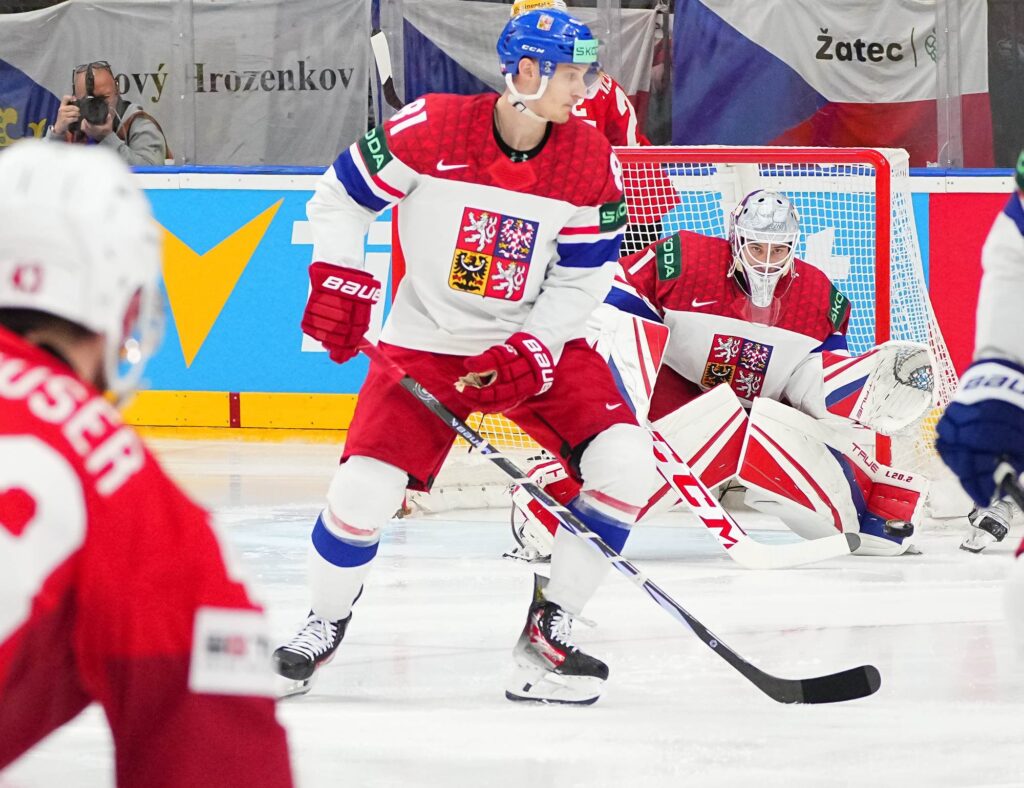
The Unexpected Resilience of Traditional Sports Betting
While the global betting landscape has witnessed an unprecedented surge in esports wagering—with titles like Dota 2 and Valorant capturing millions of viewers during major tournaments—Czechia presents a fascinating anomaly. Despite the country’s strong gaming culture and impressive performance in international esports competitions, ice hockey continues to command the lion’s share of sports betting volume, accounting for approximately 34% of all sports wagers placed by Czech bettors in 2026.
This dominance becomes even more remarkable when considering that Czech esports teams have achieved significant success on the global stage, particularly in Counter-Strike and League of Legends. Yet traditional hockey betting persists as the cornerstone of the Czech gambling market, with platforms like 22Bet reporting that hockey matches consistently generate 2.5 times more betting volume than the next most popular sport during peak season.
The phenomenon raises intriguing questions about cultural preferences, market maturity, and the intersection between traditional sports and digital entertainment. What makes Czech bettors so loyal to hockey, and how does this preference shape the broader gambling ecosystem?
Deep Cultural Roots Drive Betting Behavior
Ice hockey’s grip on Czech betting culture stems from decades of national identity formation through sporting success. The Czech Republic’s golden generation, which claimed Olympic gold in 1998 and World Championship titles in 1999, 2000, and 2010, created a lasting emotional connection that transcends mere entertainment. This emotional investment translates directly into betting patterns.
“Czech bettors approach hockey with a level of analytical depth that we rarely see in other sports,” explains Martin Svoboda, a Prague-based sports analyst with 15 years of experience covering Czech gambling markets. “They understand line combinations, goaltending statistics, and power-play percentages in ways that casual fans of other sports simply don’t. This knowledge creates confidence, and confidence drives betting volume.”
The cultural significance extends beyond professional leagues. Czech recreational hockey participation rates remain among the highest in Europe, with over 127,000 registered players across all age groups as of 2026. This grassroots involvement creates a betting demographic that understands the sport’s nuances intimately, leading to more sophisticated wagering strategies and higher average bet sizes.
Interestingly, this deep knowledge base has created a unique betting ecosystem where Czech hockey bettors consistently outperform bookmaker expectations. Industry data from 2026 shows that Czech hockey bettors maintain a 52.3% win rate against the spread, significantly higher than the 47.8% average across all sports.
The Economics of Hockey Betting Volume
The financial metrics behind Czech hockey betting reveal the market’s true scale and sophistication. During the 2025-26 NHL season, Czech bettors wagered an estimated €127 million on hockey matches across all leagues—domestic, NHL, KHL, and European competitions. This figure represents a 12% increase from the previous season, bucking the global trend toward esports betting diversification.
What’s particularly striking is the distribution of these wagers. While casual bettors might focus on major NHL games featuring Czech stars like David Pastrnak or Jakub Voracek, serious Czech hockey bettors demonstrate remarkable depth in their market engagement. Extraliga matches—the Czech Republic’s top domestic league—generate average betting volumes of €340,000 per game, with playoff matches reaching €680,000.
The betting patterns also reveal sophisticated risk management strategies. Czech hockey bettors favor combination bets and prop markets at rates 23% higher than their European counterparts. Popular prop bets include specific player point totals, penalty minute predictions, and even goaltender save percentages—markets that require deep statistical knowledge to navigate successfully.
This volume concentration creates unique opportunities for both bettors and operators. The depth of the market means that odds remain competitive across multiple betting sites, while the consistent demand allows for more exotic betting options that wouldn’t be viable in smaller markets.
Technology Meets Tradition in Modern Hockey Wagering
The evolution of hockey betting technology has particularly resonated with Czech bettors, who have embraced advanced analytics tools and real-time data feeds with remarkable enthusiasm. Live betting on hockey matches has grown by 34% year-over-year in the Czech market, with in-play wagers now representing 41% of all hockey betting volume.
Czech bettors have proven particularly adept at leveraging advanced statistics in their wagering decisions. Expected goals (xG) models, Corsi ratings, and zone entry data have become standard tools for serious hockey bettors. This analytical approach has created a feedback loop where bookmakers must employ increasingly sophisticated pricing models to remain competitive.
Mobile betting has also transformed the landscape. Czech hockey fans can now place bets during intermissions, adjust their positions based on injury reports, and even wager on shift-by-shift statistics. The convenience factor has expanded the betting demographic beyond traditional sports bettors to include casual fans who might place a small wager to enhance their viewing experience.
The integration of streaming services with betting platforms has further strengthened hockey’s position. Czech bettors can watch Extraliga matches while simultaneously monitoring their bets, creating an immersive experience that esports, despite their digital nativity, have struggled to replicate in the Czech market.
Seasonal Patterns and Market Dynamics
The cyclical nature of hockey creates unique betting dynamics that Czech wagerers have learned to exploit effectively. Unlike esports tournaments, which can occur year-round with varying schedules, hockey’s structured seasons create predictable peaks and valleys in betting activity.
Peak betting periods occur during three distinct phases: the NHL regular season (October through April), Extraliga playoffs (March through April), and the IIHF World Championship (typically May). During these periods, weekly hockey betting volume in Czechia can reach €15.2 million, with individual marquee games generating over €2.1 million in total wagering.
The off-season presents interesting opportunities as well. Czech bettors have shown remarkable interest in NHL draft betting, free agency speculation, and even KHL regular season games featuring Czech players. This year-round engagement contrasts sharply with more seasonal sports and helps explain hockey’s sustained market dominance.
Weather patterns also influence betting behavior in unexpected ways. Cold snaps and heavy snowfall correlate with increased hockey betting volume, as Czech bettors apparently associate winter weather with increased focus on ice sports. This psychological connection, while seemingly minor, contributes to hockey’s consistent performance against other betting markets.
The Esports Challenge and Hockey’s Response
Despite esports’ global growth trajectory, Czech hockey betting has maintained its dominance through adaptation rather than resistance. The rise of CS:GO betting, particularly during major tournaments, initially posed a threat to hockey’s market share. However, hockey has evolved by incorporating elements that made esports betting attractive.
Live streaming integration, real-time statistics overlays, and social betting features have all been adopted by hockey betting platforms. The result is a hybrid experience that combines the analytical depth of traditional sports with the immediate gratification that draws younger demographics to esports wagering.
“The key insight is that Czech bettors aren’t choosing between hockey and esports—they’re choosing between different types of engagement,” notes Dr. Jana Novakova, a behavioral economist at Charles University who studies gambling patterns. “Hockey provides the deep, analytical experience that serious bettors crave, while esports offers quick entertainment. The demographics overlap less than industry observers initially expected.”
This market segmentation has actually strengthened hockey’s position. Rather than competing directly with esports for casual betting volume, hockey has doubled down on serving serious, analytical bettors who value the sport’s statistical richness and predictable scheduling.
International Competitions Drive Peak Engagement
The Czech Republic’s consistent performance in international hockey competitions creates betting opportunities that dwarf domestic league engagement. The 2026 IIHF World Championship in Switzerland generated €23.7 million in betting volume from Czech bettors alone—nearly 19% of the entire tournament’s global betting handle.
Olympic hockey, when NHL players participate, creates even more dramatic spikes. Preliminary data from the 2026 Winter Olympics showed Czech hockey betting volume increased by 340% during the tournament’s two-week span. The emotional investment in national team success translates directly into wagering activity, with Czech bettors showing remarkable loyalty even when facing unfavorable odds.
These international tournaments also serve as gateway events for new bettors. Analysis of betting account creation patterns shows that 31% of new Czech sports bettors place their first wager on international hockey matches, suggesting that national pride serves as a powerful motivator for gambling market entry.
The ripple effects extend beyond the tournaments themselves. Players who perform well internationally often see increased betting interest in their club performances, creating a virtuous cycle that reinforces hockey’s market position throughout the year.
Future Projections and Market Evolution
Looking ahead, several factors suggest that hockey’s dominance in Czech betting markets will persist despite continued esports growth. The planned expansion of the Extraliga to include additional teams from Slovakia and potentially other Central European countries could further increase betting volume and market depth.
Technological innovations specifically tailored to hockey betting continue to emerge. Artificial intelligence models trained on Czech betting patterns are becoming increasingly sophisticated, while virtual reality experiences that simulate being at hockey games while betting are in development. These advances cater specifically to the analytical mindset that characterizes Czech hockey bettors.
The demographic data also supports hockey’s continued relevance. While esports attract younger bettors, the average Czech hockey bettor has higher disposable income and places larger average wagers. This economic reality ensures that hockey will remain prioritized by betting operators regardless of volume trends in other markets.
Perhaps most importantly, the infrastructure supporting Czech hockey betting—from media coverage to statistical analysis to social communities—continues to deepen and mature. This ecosystem creates switching costs that make it unlikely for bettors to abandon hockey for newer alternatives, even as those alternatives gain mainstream acceptance.